After these two disasters … Braxton Bragg was replaced with Joe Johnston and the Army of Tennessee went into Winter Camp at Dalton, Georgia. Joe Johnston immediately began repairing and refitting his new command.

 |
| Railroad Depot at Dalton, Georgia |
A Confederate soldier, John S. Jackman, recorded on 18 January 1864 the state of the Army of Tennessee while at Dalton, Georgia, “The old year closed down upon us with defeat, disaster. May the present year bring us victory and success. The hour is dark and full of gloom, but such generally comes before the dawning of a beautiful day.” He continues with, “The winter is wearing away, and soon our battle flags will have to be unfurled to the breezes of spring, and the lines of gray will have to be drawn up---a living wall, against which the tide of invasion, it is hoped, will beat in vain.” (John S. Jackman, Diary of a Confederate Soldier, edited by William C. Davis, University of South Carolina Press, Columbia, 1990)
While in Winter Camp, not only did Joe Johnston refit his army materially, he also refit his army spiritually; sponsoring a ‘great revival’. Bibles were distributed, Chapels constructed, and sermons prepared. Most 42nd Alabama soldiers participated in the revivals, a common occurrence within the Army of Tennessee.
“Preaching was kept up in Dalton every night except four for nearly four months, and in the camps all around the city preaching and prayer meetings occurred every night. The soldiers erected stands, improvised seats, and even built log churches, where they worshipped God in spirit and in truth. The result was glorious; thousands were happily converted and were prepared for the future that awaited them. Officers and men alike were brought under religious influence.” (Virginia Wood Alexander, Religious Life In The Army Of Tennessee. The United Daughters Of The Confederacy Magazine. May 1988. Page 52)
During this revival the Reverend James P. McMullen, minister of the Pleasant Ridge Church of Greene County, Alabama and acquaintance of Lieutenant Colonel Lanier joined the 42nd Alabama at Dalton. His son, William F. McMullen, was a member of the 36th Alabama Infantry, one of the 42nd Alabama’s sister regiments in the same brigade. Reverend McMullen continued as the Chaplain of the 42nd Alabama until he became a fatality during the Battle of Resaca on May 15, 1864. While in Winter Camp, my GGGrandfather probably participated in these revivals and attended the services conducted by Reverend McMullen.
 |
| G.W. Askew's Pay Voucher for October and November 1863 |
 |
| G.W. Askew's Pay Voucher for December 1863 |
“I have known Lieutenant E. A. Portis Co K 42nd Alabama Regiment as an officer since June 1862 and have never known him to avoid duty or fail to carry out orders when in health. He has suffered a great-deal from his disease. And I have known him to do duty and have been on duty with him when suffering from his disease, and when excused by the surgeon. He is in my opinion, in every way efficient and capable of performing the duties of an officer when not suffering with his disease. Lieutenant Portis has never been court-martialed or reprimanded by a superior officer for anything.”
 |
| G.W. Askew's testimony |

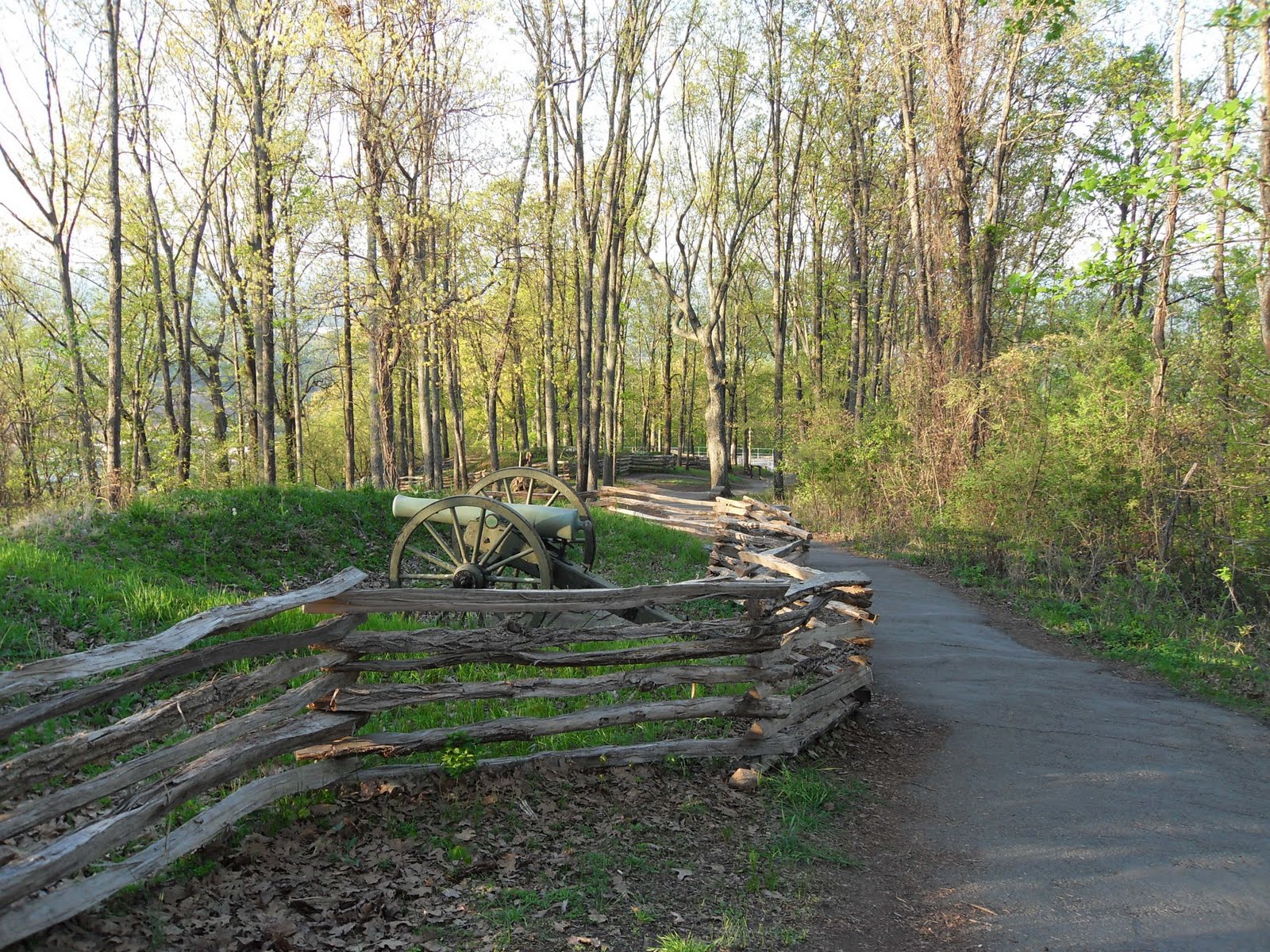
 Last week I visited the Kennesaw National Battlefield Park. The 42nd Alabama participated in the attempt to check Sherman's march toward Atlanta. At the time of the campaign George Washington Askew served as a First Lieutenant in F Company of the 42nd Alabama. His unit was part of Baker's Brigade, Stewart's Division of Hood's Corps. Below is 1LT G. W. Askew's payroll receipt for March 1864.